


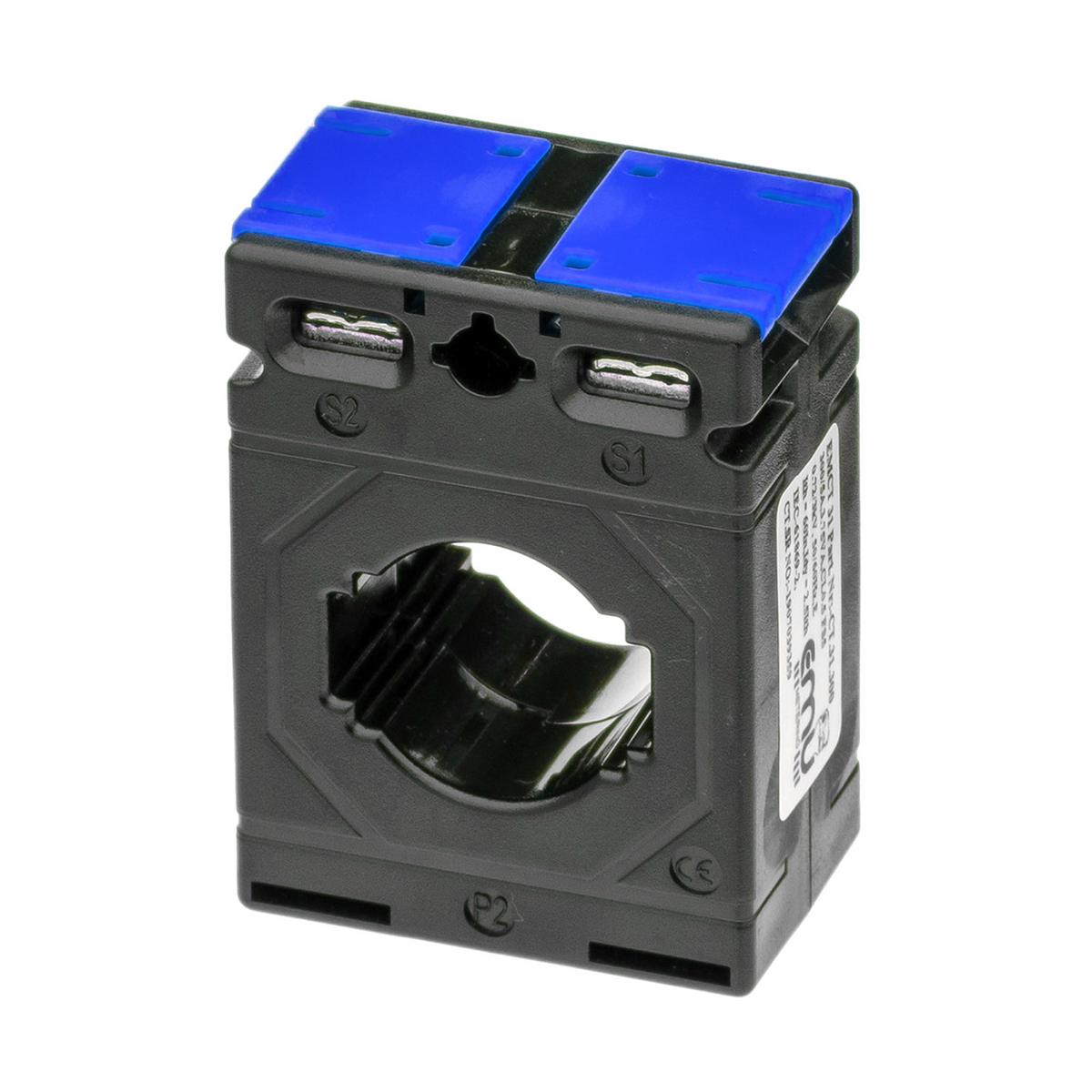
Plug-in transformers for a 1A secondary currents.
Current transformers capture large primary currents and translate them into the typical current ratings of 1 or 5 Ampere to make them accessible to modern measuring devices, among other things. This makes it possible to reliably and safely include the data collection of higher amperages in your energy management.
In our online store, you will find various types of plug-in transformers for a 1 A secondary current, in addition to many other products. Choose the transformer that suits you best and benefit from the high-quality products of EMU Metering.
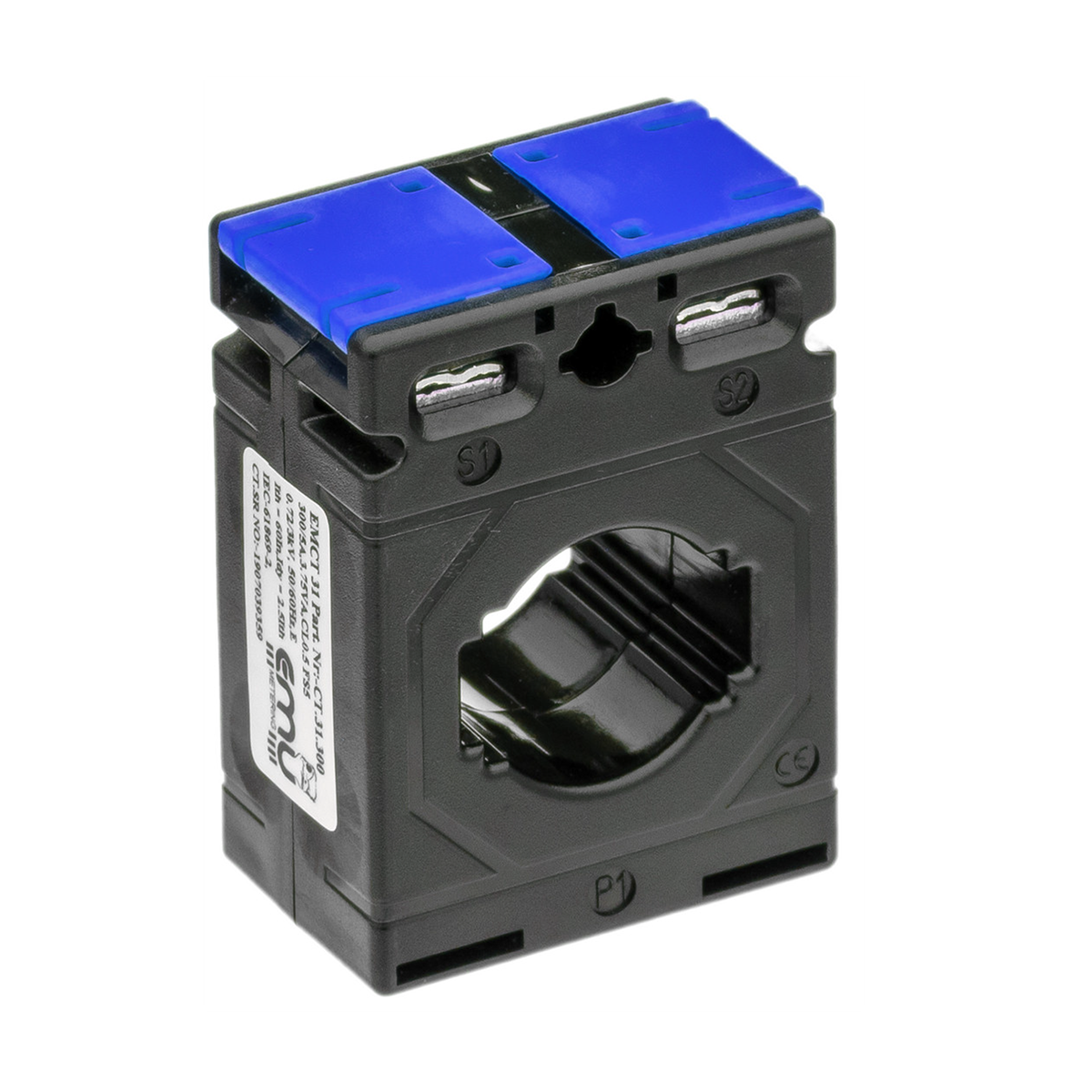
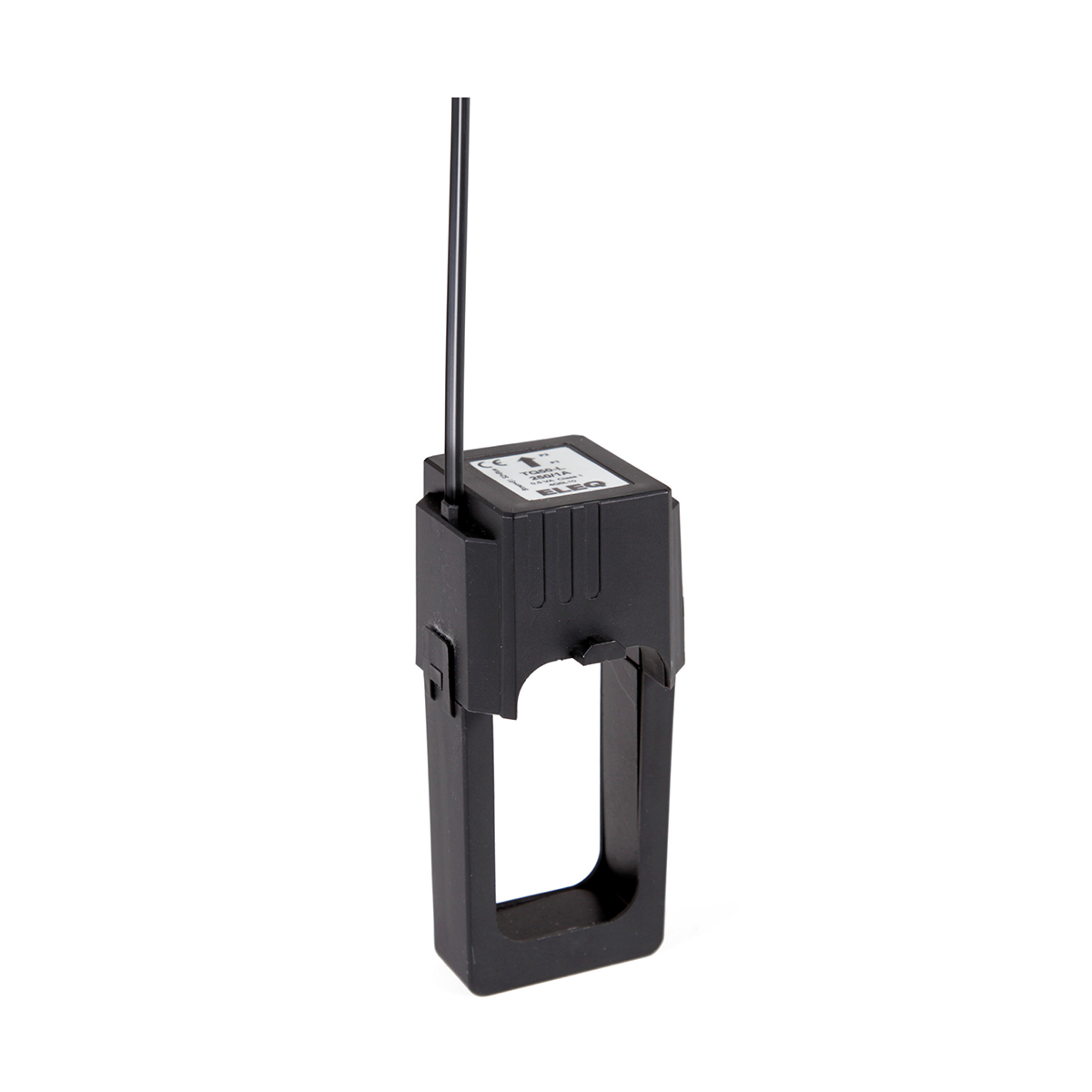
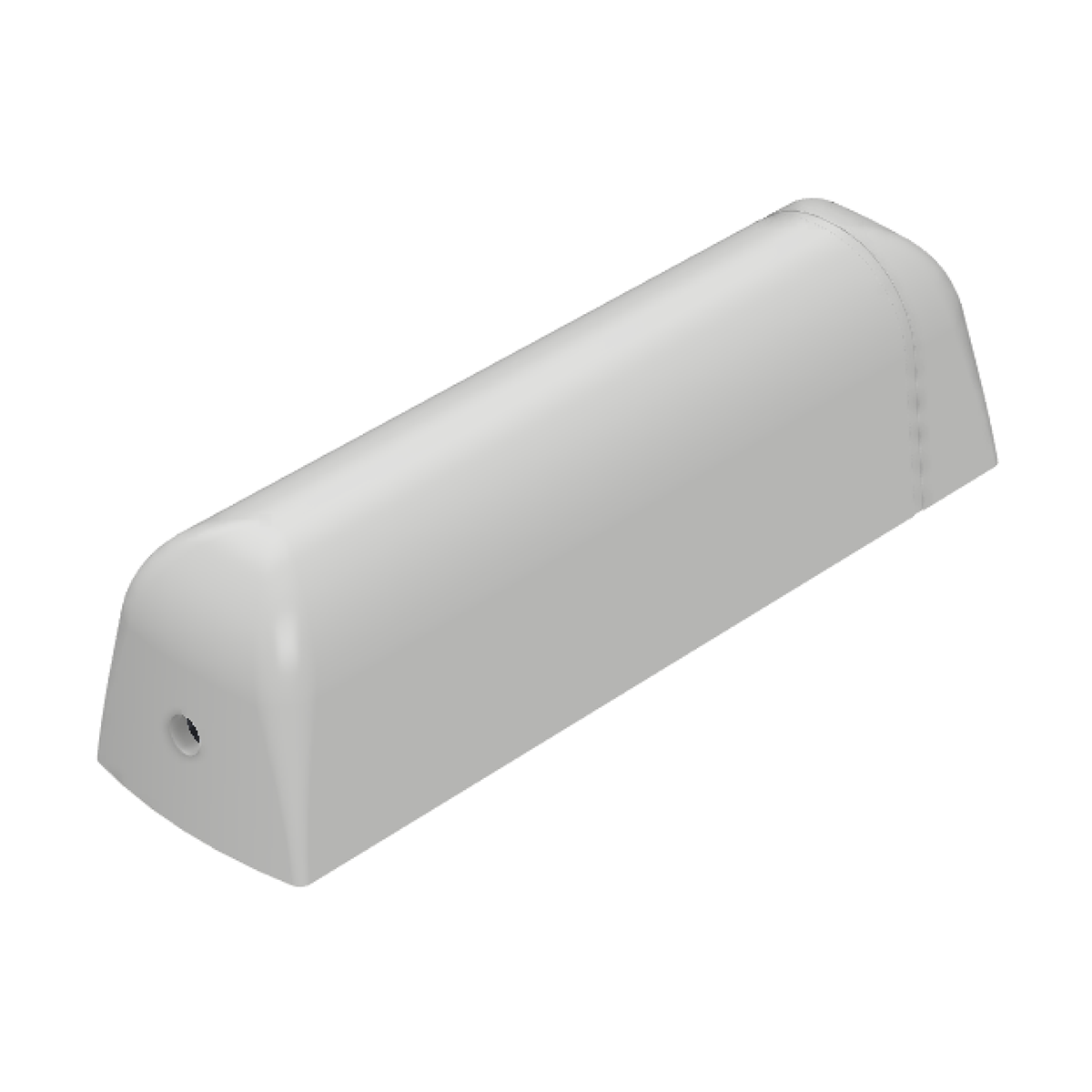
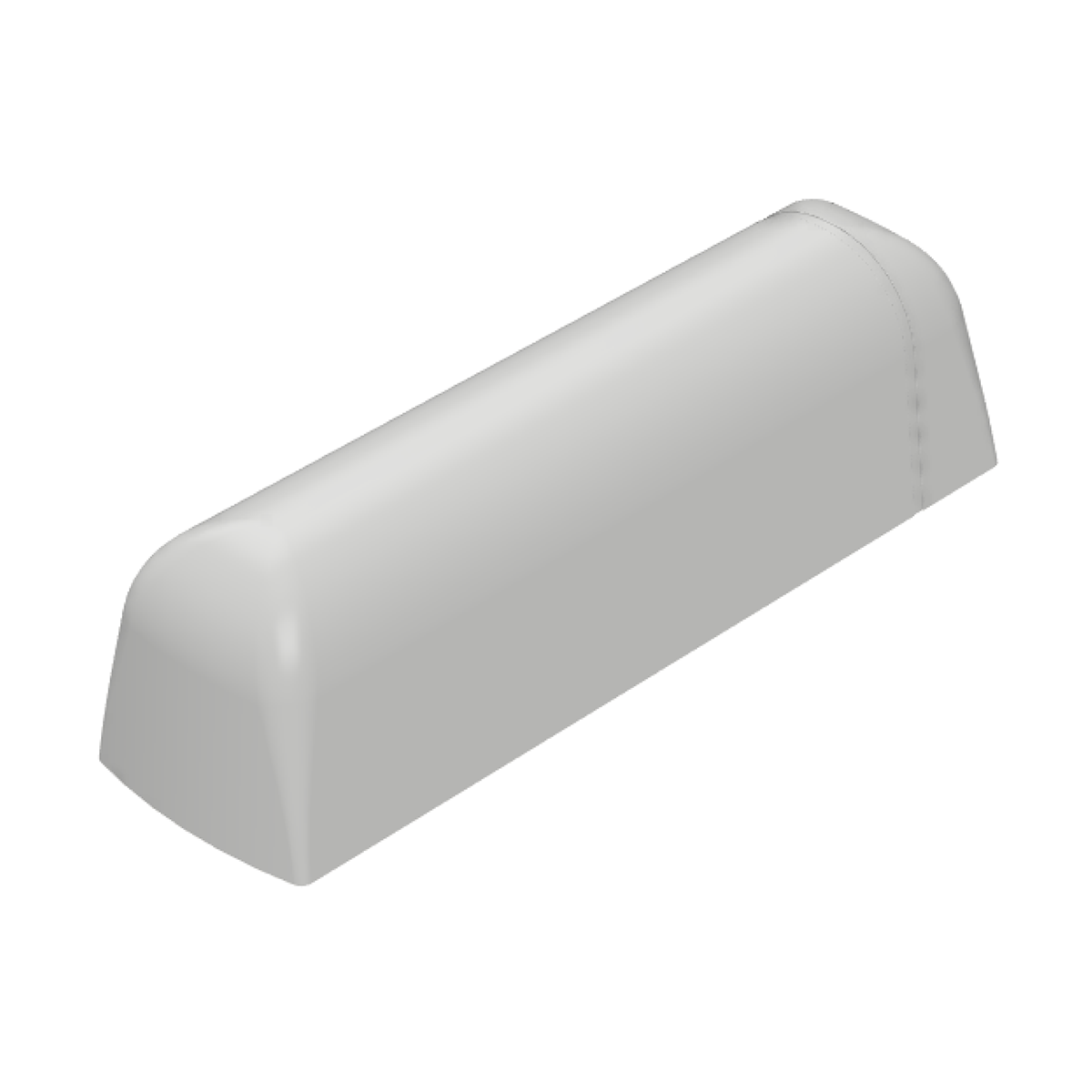
Transformers can be categorised according to various criteria. One distinguishing characteristic is their construction type. One of the most common and cost-effective versions is the plug-in transformer. This transformer type is overwhelmingly used for installation on cables or rails. These transformers are easy to install: they are simply pushed over the relevant rail or insulated conductor through which the primary current flows. This makes plug-in transformers the preferred type for installation in newly developed systems. Alternatively, they can also be attached to a rail snap-on clip.
Important note: There is a risk of mortal injury if transformers are installed in live wires. The voltage that flows through the cable is very high. For this reason, transformers and connected measuring devices should only be installed in voltage-free primary lines. For safety reasons, always consult qualified electricians for proper installation.
Furthermore, always pay attention to the quality and intactness of transformers during installation. Dangers and property damage may also be the result of defective devices.
The transformers differentiate themselves in various ways:
When it comes to their measurement accuracy, 1 A plug-in transformers are at a slight disadvantage compared to 5 A transformers, because those are usually in a higher accuracy class. Transformers with a secondary current of 1 Ampere, however, are often used when measurement currents are to be transmitted in long cable lengths. Both technical and economic reasons guide the selection.
Current transformers capture large primary currents and translate them into the typical current ratings of 1 or 5 Ampere to make them accessible to modern measuring devices, among other things. This makes it possible to reliably and safely include the data collection of higher amperages in your energy management.
In our online store, you will find various types of plug-in transformers for a 1 A secondary current, in addition to many other products. Choose the transformer that suits you best and benefit from the high-quality products of EMU Metering.
Transformers can be categorised according to various criteria. One distinguishing characteristic is their construction type. One of the most common and cost-effective versions is the plug-in transformer. This transformer type is overwhelmingly used for installation on cables or rails. These transformers are easy to install: they are simply pushed over the relevant rail or insulated conductor through which the primary current flows. This makes plug-in transformers the preferred type for installation in newly developed systems. Alternatively, they can also be attached to a rail snap-on clip.
Important note: There is a risk of mortal injury if transformers are installed in live wires. The voltage that flows through the cable is very high. For this reason, transformers and connected measuring devices should only be installed in voltage-free primary lines. For safety reasons, always consult qualified electricians for proper installation.
Furthermore, always pay attention to the quality and intactness of transformers during installation. Dangers and property damage may also be the result of defective devices.
The transformers differentiate themselves in various ways:
When it comes to their measurement accuracy, 1 A plug-in transformers are at a slight disadvantage compared to 5 A transformers, because those are usually in a higher accuracy class. Transformers with a secondary current of 1 Ampere, however, are often used when measurement currents are to be transmitted in long cable lengths. Both technical and economic reasons guide the selection.


_1200.png)



-last_1200.png)